The Wankel Rotary Engine
The Wankel engine is a 4-stroke engine, because the combustion processes in four independent strokes. Its main components are:
- Rotor with seals (equivalent to the piston
and rings of a piston engine)
- Eccentric shaft (equivalent to the crankshaft)
- Housing, also called trochoid due to its oval-like epitrochiod shape
- side plates, closing the sides of the housing
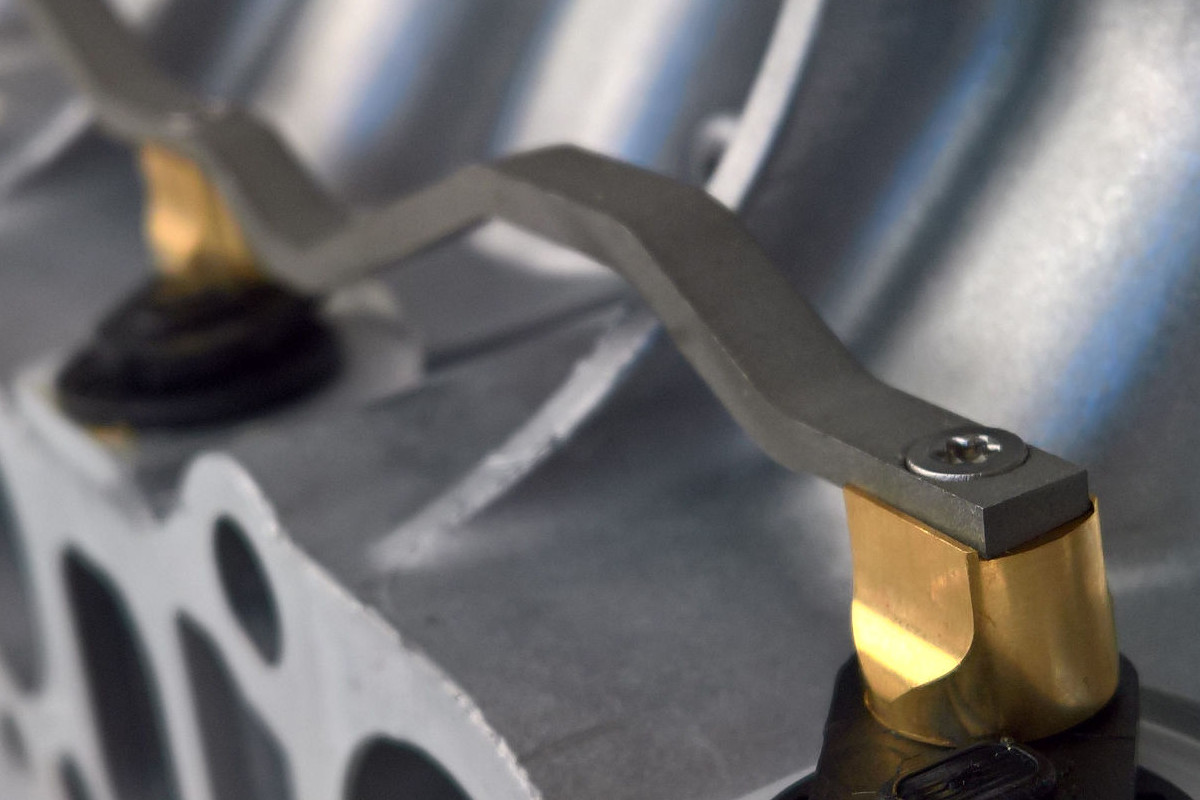
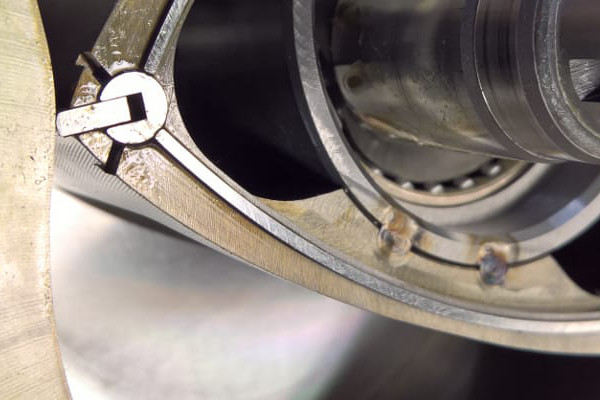
The rotor has a triangular shape, and the
edges of the rotor are in permanent contact with the trochoid through the
apex seals. This creates three separate combustion chambers along the flanges
of the rotor and allows three 4-stroke processes to run simultaneously. The rotor
only rotates at 1/3 of the speed of the eccentric shaft, so with every rotation
of the shaft a different combustion chamber passes the spark plug.
Since the rotor only rotates at 1/3 of the eccentric shaft’s speed, the
working stroke is distributed over 270° rotation of the eccentric shaft. A 2-stroke
reciprocating piston engine only has approx. 100° available for the same stroke.
Therefore the load on the power transmission, as well as the vehicle the engine is
used in, is lower despite higher nominal power.
The particular advantages of Wankel engines are the lack of vibration due to
fully dynamically
balanced rotating masses, the very compact design, the extreme performance with
a very flat torque curve, as well as very low emissions.